
Take-Home Pay Philippines 2026: Magkano Talaga ang Maiuuwi Mong Sweldo?

Kapag sinabi sa job offer na ₱30,000 ang monthly salary, ibig bang sabihin na ₱30,000 din ang papasok sa bank account mo every month?
Hindi.
Ang nakalagay sa employment contract ay karaniwang gross salary, pero may mga mandatory deductions bago mo makuha ang iyong actual salary.
Kabilang dito ang:
SSS
PhilHealth
Pag-IBIG
Withholding Tax, kung applicable.
Kaya ang mas mahalagang tanong para sa isang employee ay hindi lamang:
“Magkano ang sweldo ko?”
Kundi:
“Magkano talaga ang take-home pay ko pagkatapos ng deductions?”
Sa guide na ito, tingnan natin ang estimated take-home pay para sa monthly salaries na ₱20,000, ₱25,000, ₱30,000, ₱40,000, ₱50,000, ₱75,000 at ₱100,000 gamit ang current government contribution at income-tax rules.
Ano ang Take-Home Pay?
Ang take-home pay, na tinatawag ding net pay, ay ang perang natitira pagkatapos ibawas ang applicable deductions mula sa iyong gross salary.
Simple formula:
Gross Salary
minus SSS
minus PhilHealth
minus Pag-IBIG
minus Withholding Tax
equals
Take-Home Pay
Pero hindi pare-pareho ang deduction ng bawat employee.
Nakadepende ito sa salary level, taxable benefits, bonuses, allowances at iba pang payroll items.
Ano ang Mga Karaniwang Deductions sa Sweldo?
- SSS: Nakabatay sa applicable Monthly Salary Credit. Para sa regular employees, 5% ang employee SS share. Tingnan ang detailed SSS contribution guide.
- PhilHealth: Ang 5% total premium ay karaniwang equally shared ng employee at employer. Tingnan ang updated PhilHealth premium guide.
- Pag-IBIG: Para sa maraming employees, 2% ang employee rate at hanggang ₱200 ang regular mandatory employee savings under the ₱10,000 maximum fund salary. Tingnan ang Pag-IBIG contribution guide.
- Withholding tax: Nakabatay sa taxable compensation at applicable BIR payroll table, hindi lamang sa gross salary. Tingnan ang BIR income tax guide.
Ang mga ito ang pangunahing deductions na ginamit sa sample table sa ibaba. Maaaring magbago ang actual payroll dahil sa salary bracket, payroll period, taxable benefits, loans at company-specific deductions.
Estimated Take-Home Pay Philippines 2026
Narito ang isang practical estimate.
Assumptions:
Regular private-sector employee
Basic salary lamang
Walang overtime
Walang commission
Walang taxable allowance
Walang company loan
Walang salary advance
Walang ibang deductions
Regular mandatory contributions lamang
| Gross Monthly Salary | SSS Employee | PhilHealth Employee | Pag-IBIG | Est. Tax | Estimated Take-Home |
|---|---|---|---|---|---|
| ₱20,000 | ₱1,000 | ₱500 | ₱200 | ₱0 | ₱18,300 |
| ₱25,000 | ₱1,250 | ₱625 | ₱200 | ~₱314 | ~₱22,611 |
| ₱30,000 | ₱1,500 | ₱750 | ₱200 | ~₱1,008 | ~₱26,543 |
| ₱40,000 | ₱1,750 | ₱1,000 | ₱200 | ~₱2,618 | ~₱34,432 |
| ₱50,000 | ₱1,750 | ₱1,250 | ₱200 | ~₱4,568 | ~₱42,232 |
| ₱75,000 | ₱1,750 | ₱1,875 | ₱200 | ~₱9,669 | ~₱61,506 |
| ₱100,000 | ₱1,750 | ₱2,500 | ₱200 | ~₱15,763 | ~₱79,788 |
Important: Ang table na ito ay educational estimate lamang. Hindi ito official payroll computation. Ang actual withholding tax at take-home pay ay maaaring mag-iba depende sa payroll period, exact SSS salary bracket, taxable compensation, benefits at year-end adjustments.
Bakit Hindi Pareho ang Take-Home Pay Kahit Pareho ang Salary?
Posibleng pareho kayong may ₱40,000 basic salary ng katrabaho mo pero magkaiba ang actual net pay.
Bakit?
Dahil maaaring mayroon siyang:
Taxable allowances
Overtime
Commission
Bonuses
Company loan
SSS loan
Pag-IBIG loan
Cash advance
Insurance
Other company deductions
May mga supplementary compensation tulad ng commission, overtime at taxable bonuses na maaari ring pumasok sa taxable compensation computation.
Kaya estimate lamang ang online salary calculators at sample tables.
Ang final reference ay ang actual payroll computation ng employer.
Gross Salary vs Basic Salary vs Net Salary
Mahalagang malaman ang difference.
Basic Salary
Ito ang pangunahing compensation bago idagdag ang ibang allowances at benefits.
Gross Salary
Ito ang kabuuang compensation bago ibawas ang applicable deductions.
Net Salary / Take-Home Pay
Ito ang actual amount pagkatapos ng deductions.
Sa madaling salita:
Gross Pay ≠ Take-Home Pay
Ito ang isa sa pinakamahalagang concepts na dapat maintindihan bago tumanggap ng job offer.
Paano Kung Minimum Wage Earner?
May special tax treatment ang qualified Minimum Wage Earners (MWEs).
Ayon sa BIR, ang statutory minimum wage ay kabilang sa non-taxable compensation. May special treatment din ang qualified holiday pay, overtime pay, night shift differential at hazard pay ng minimum wage earners.
Kaya hindi dapat basta gamitin ang ordinary tax calculation para sa isang qualified MWE.
Paano ang 13th Month Pay?
May isa pang magandang balita para sa employees.
Ang 13th month pay and other benefits ay may tax exemption hanggang sa applicable ₱90,000 ceiling under the current BIR withholding framework. Ang excess above the prescribed ceiling ay maaaring maging taxable.
Kaya hindi rin tama na basta idagdag ang buong 13th month pay sa ordinary taxable monthly salary calculation.
Hindi Lahat ng Deduction ay “Nawawalang Pera”
Kapag nakita ng employee ang payslip, madaling isipin:
“Ang laki naman ng deductions ko.”
Pero mahalagang paghiwalayin ang tax at government contributions.
Ang withholding tax ay tax.
Samantalang ang SSS, PhilHealth at Pag-IBIG ay mandatory social protection at savings-related contributions na may iba’t ibang benefits at purposes.
At mayroon ding employer counterpart na hindi mo nakikita bilang dagdag sa iyong take-home pay.
Halimbawa, sa Pag-IBIG, may employer contribution bukod sa employee contribution. Sa PhilHealth, nire-remit din ng employer ang employer share kasama ng employee premium contribution.
Kaya ang total employment cost at benefits mo ay hindi nasusukat sa take-home pay lamang.
Paano Gamitin ang Take-Home Pay Kapag Nag-aapply ng Trabaho?
Kapag may dalawang job offers:
Company A: ₱35,000
Company B: ₱40,000
Huwag agad isipin na ₱5,000 ang tunay na difference.
Tingnan din ang:
Basic salary
Taxable at non-taxable allowances
Health insurance
Bonuses
13th month pay
Government contributions
Leave benefits
Transportation
Work-from-home arrangements
At higit sa lahat:
Estimated Take-Home Pay
Minsan, ang mas mataas na gross salary ay hindi kasing laki ng inaasahang difference kapag kinompute na ang actual net income at work-related expenses.
Practical Rule: Mag-budget Gamit ang Net Pay
Kung ₱50,000 ang gross salary mo, huwag gumawa ng monthly budget na ₱50,000.
Gamitin ang actual take-home pay bilang starting point.
Sa simplified example natin:
Gross Salary: ₱50,000
Estimated Take-Home: around ₱42,232
Doon dapat manggaling ang budget para sa:
Rent
Food
Transportation
Utilities
Debt payments
Savings
Emergency fund
Entertainment
Family expenses
Mas realistic ang financial planning kapag net income ang ginagamit.
Final Reminder
Ang salary na nakikita sa job advertisement o employment contract ay hindi palaging ang perang matatanggap mo sa payday.
Para malaman ang approximate take-home pay:
Gross Salary
− SSS
− PhilHealth
− Pag-IBIG
− Withholding Tax
= Estimated Take-Home Pay
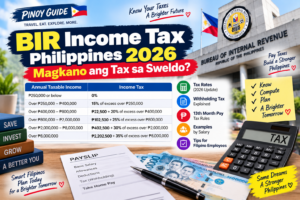
At habang tumataas ang salary, mas mahalagang maintindihan ang income tax dahil graduated ang Philippine individual income-tax system. Ang taxable income na hanggang ₱250,000 annually ay nasa 0% bracket, habang progressively higher rates ang ginagamit sa mas mataas na taxable income.
Bago tumanggap ng job offer o gumawa ng monthly budget, huwag lamang itanong:
“Magkano ang sweldo?”
Mas magandang itanong:
“Magkano talaga ang maiuuwi kong sweldo?”
Iyan ang number na mas mahalaga sa iyong actual monthly budget.
Sources
Social Security System – SSS Contribution Table
PhilHealth – Premium Contribution Advisory
Pag-IBIG Fund Circular No. 460
BIR – Withholding Tax Calculator
BIR – Individual Income Tax Rates, 2023 Onwards
Last updated: August 2026. The sample calculations in this article are estimates for educational purposes. Actual payroll deductions may differ depending on compensation structure, contribution brackets, benefits, payroll period and employer adjustments. Always verify your actual payslip and the latest official government contribution schedules.
PINOY GUIDE




Comments 0
Be the first to comment..